Benefits Of Whole Foods For Long-Distance Runners
For long distance runners, what you eat really matters — especially when training gets tough. Whole foods can fuel your runs, support recovery, and enhance overall well-being in ways packaged food simply can’t. When I transitioned to plant-forward diet, I tested eating different kinds of food and snacks. It didn’t come easy especially the main dishes, but, the daily little changes made an impact greatly.
Why Whole Foods Matter for Long-Distance Runners
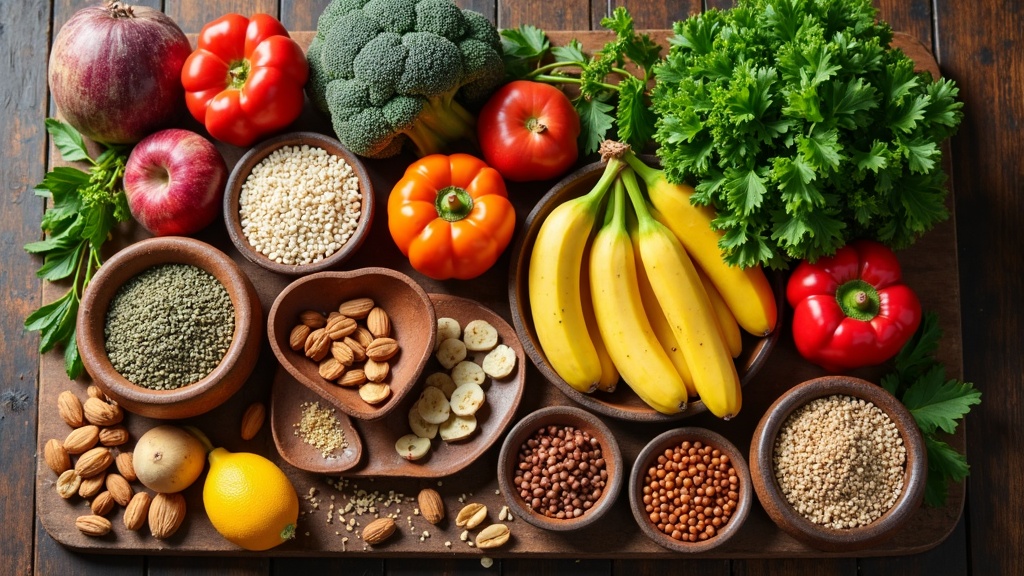
Whole foods are foods that are minimally processed and as close to their natural state as possible. Think fruits, veggies, whole grains, nuts, seeds, and lean proteins. When I first switched to a whole foods approach for my marathon prep, the benefits were clear: more steady energy, fewer stomach issues, and there was a marked improvement in my recovery time following the race.
Whole foods give you complex carbs for lasting energy, fiber for a healthy gut, vitamins, minerals, and phytonutrients that processed foods often lack. You also get healthy fats and quality proteins, which are super important for training and race day.
The Best Diet for Long-Distance Runners
Mediterranean style—lots of fruits, veggies, whole grains, nuts, seeds, olive oil, and lean protein from fish, eggs, and beans—is a popular and reliable choice for runners. Research supports this style of eating; for example, theres a study known as the Perimed trial tested the impact of Mediterranean diets.
Here’s a concise guide to runners nutrition:
- Complex carbohydrates (brown rice, oats, quinoa, sweet potatoes) for steady energy
- Lean proteins (fish, legumes, soy products) to rebuild muscle tissue.
- Healthy fats (avocado, olive oil, nuts, seeds) for brain function and hormone support
- Colorful fruits and veggies for vitamins, minerals, and antioxidants
Pre-Run Meals
My favorite pre-run breakfasts are oat-based. To save me time, I pre-cook 1/4 cup of steel cut oats the night before in an Instant Pot for 2 minutes, and cook it on high for 2 minutes in the morning and I usually eat it plain. I know some people prefer overnight oats with berries and a bit of nut butter. Both are easy to digest and give you sustained energy if you eat them one to two hours before you set out.
Best Whole Foods to Eat While Running
Some whole foods are easy to carry during training and races, and are gentle on the digestive system:
- Bananas: Easily digested and high in potassium. I sometimes tuck half a banana into my hydration vest during long training run -if there are no aid stations along the way.
- Dried Dates: Packed with natural sugars for quick energy, they’re small and easy to chew.
- Dried apricots, mangos and figs: Chewy, portable, and are calorie-densed. When I was training for the TCS London Marathon 2025, I discovered dried mangos worked well for me. It’s one of my go-to training snacks since then.
- Homemade rice cakes: Made with rice, a drizzle of honey, and a bit of salt—they’re light and filling and easy to stash in a pocket.
- Roasted or salted nuts and seeds: Best for longer runs (over two hours) when you need a mix of fat, protein, and salt.
Post-Run Recovery Foods
For smooth recovery, focus on whole foods right after your workout. I like to make a smoothie using our ‘can’t live without’ Vitamix blender with spinach, frozen kale, frozen berries, Greek yogurt, oats, nut butter, and a sprinkle of cinnamon. Growing food has provided us a good amount of vegetables that we store in the freezer throughout the season. A hearty bowl with brown rice, black beans, avocado, salsa, and roasted sweet potato is another go-to for refueling.
Key Nutrients That Help Performance and Recovery
To maximize performance and recovery, runners should rely on nutrient-dense whole foods. Key staples include complex carbohydrates (oats, quinoa) for sustained energy, and quality proteins (eggs, lentils, chicken) to repair muscle. Incorporate healthy fats like avocado and olive oil for fuel, along with iron-rich, antioxidant-packed foods like leafy greens and berries to support oxygen transport and reduce inflammation
Neglecting these essential nutrients can lead to chronic fatigue and stalled training gains.
Supplements for Long-Distance Running
Getting most of your carbs and protein from real food means fewer worries about missing key nutrients. That said, there are times when a supplement comes in handy. As someone who runs throughout the year and sometimes squeezes training into crazy schedules, I’ve used a few sparingly.
- Electrolyte tablets: Great on hot days when you sweat a lot or after longer runs if you tend to cramp up and also great to have on race day.
- Vitamin D: A solid option in gloomy winter months or for individuals who don’t get much sun; low levels can really dampen your stamina and recovery.
- Iron: Many runners—especially women—struggle with iron. A doctor-ordered blood test can help you keep track; studies clearly link low iron with sluggish running.
Despite the marketing hype around protein powders and bars, I prefer focusing on whole foods for my nutrition except for the occasional protein bars while traveling. It’s smart to check with your physician before starting any supplements if your diet is already balanced.