Top 10 Plant-Based Protein Sources for Endurance Athletes
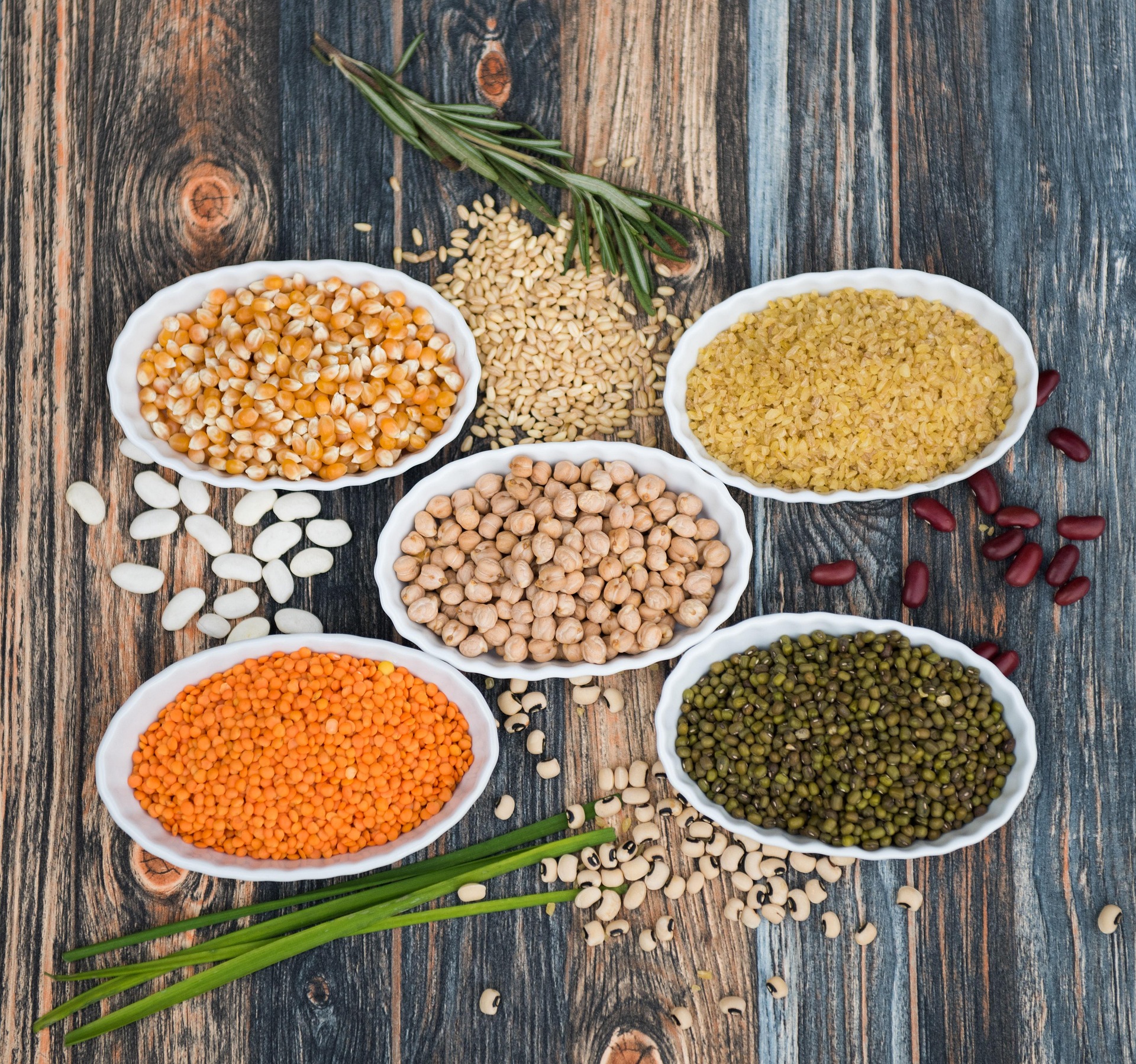
Getting enough protein is key to peak performance, muscle repair, and recovery. As an endurance athlete, you can absolutely thrive on plant-based protein! You don’t have to settle for bland meals or chalky powders. The great news is that these proteins often come with extra nutrients like iron and magnesium, which help keep your energy levels steady during those long runs, bike rides, or intense workouts.
In this post, I’m sharing my top 10 go-to plant proteins, plus practical ways to work them into your meals.
Why Athletes Thrive on Plant Protein
Many runners (myself included), cyclists, and swimmers choose more plants because they are easier to digest, aid in reducing inflammation, and speed recovery. In addition to meeting the necessary amount of protein, – legumes, grains, seeds, and soy products also provide fiber and minerals that protein powders cannot.
The Top 10 Plant-Based Protein Sources
These are my preferred plant proteins, and you can find the majority of them at your neighborhood grocery store. Each includes simple suggestions to seamlessly incorporate them into your daily diet.
1. Tempeh
Tempeh is made from fermented soybeans and packs 15–20 grams of protein per 3.5 ounces. I love grilling it for sandwiches or stir-fries. Bonus: the fermentation helps your gut and boosts mineral absorption.
2. Lentils
Lentils are one of my staples. One cup of cooked lentils provide 18 grams of protein, plus fiber and iron—perfect after a long run. I add them to salads, soup or hearty veggie stews. They don’t require soaking and are reasonably priced.
3. Quinoa
Quinoa is a complete protein, meaning it has all nine essential amino acids. At 8 grams of protein per cup, it works beautifully in burrito bowls, roasted veggie salads, or even as a chilled side dish for meal prep. Its fiber gives you steady energy on big training days.
4. Chickpeas (Garbanzo Beans)
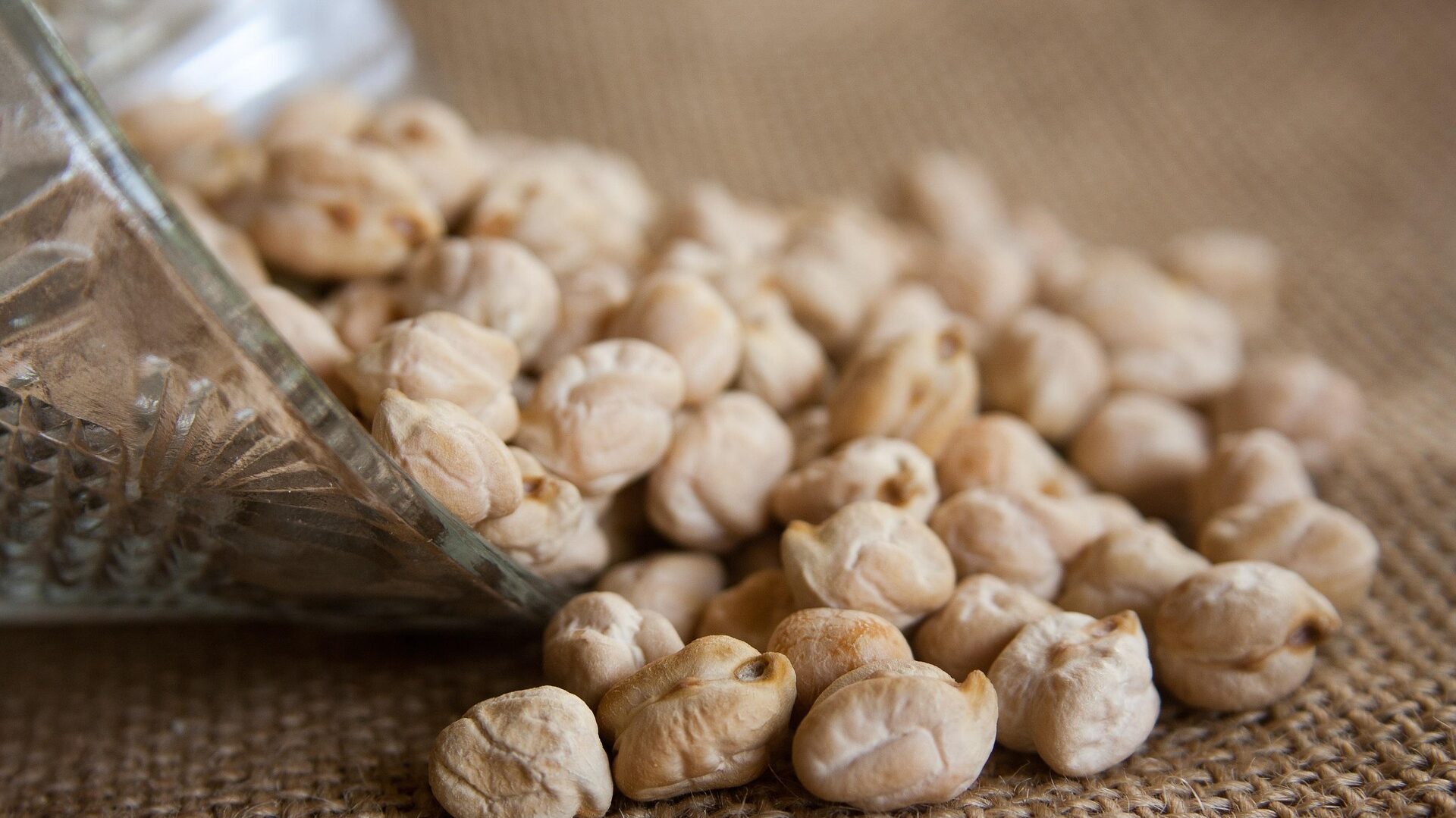
Roast them for a crunchy snack, blend into hummus, or sprinkle on salads. One cup has around 15 grams of protein plus iron—great for keeping endurance athletes strong.
5. Black Beans
With 15 grams per cup, black beans are versatile and filling. I mash them into burgers, fold them into tacos, or pair them with rice for a classic protein combo that never fails.
6. Hemp Seeds
Three tablespoons deliver 10 grams of complete protein plus omega-3s for joint support. I sprinkle them on overnight oats, smoothies, or even avocado toast for a quick boost.
7. Tofu

Half a cup gives you 10 grams of protein, and tofu is endlessly adaptable—it soaks up whatever flavors you add. I pan-fry it for grain bowls, cube it into soups, or scramble it with veggies for a protein-packed breakfast.
8. Edamame
These young soybeans offer 17 grams per cup and are loaded with iron, calcium, and vitamin C. I keep a bag in the freezer for quick snacks or toss them into stir-fries and salads.
9. Peanuts and Peanut Butter
Two tablespoons of peanut butter or a small handful of peanuts gives you 8–9 grams of protein plus magnesium for muscle function. I mix peanut butter into smoothies, oats, or spread it on whole-grain toast post-run.
10. Pumpkin Seeds (Pepitas)
One ounce packs 9 grams of protein along with zinc and magnesium. I love them roasted as a snack or sprinkled over soups and grain bowls for crunch. They’re also great for curbing hunger between workouts.
Tips for Making the Most of Plant Protein
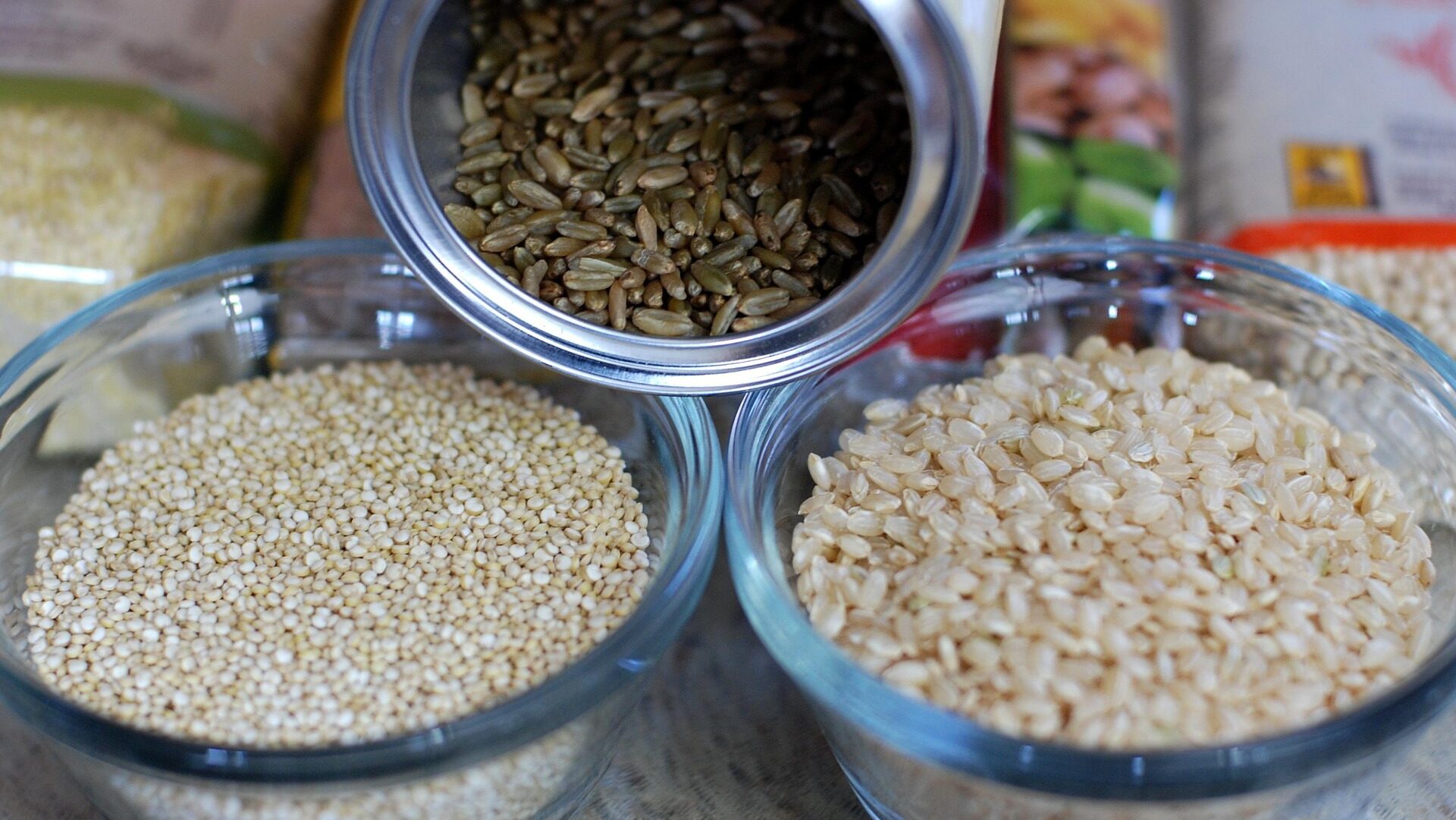
Getting enough isn’t just about numbers—it’s about variety and balance. Here are strategies that work well for endurance athletes:
- Mix It Up: Rotate beans, grains, seeds, and soy to cover all amino acids. I often pair beans with grains for a complete profile.
- Balance Each Meal: Build plates with protein + carbs + fats for steady energy and recovery.
- Don’t Forget Healthy Fats: Tahini, nut butters, and seeds make meals satisfying and flavorful.
- Meal Prep Helps: I batch-cook lentils, beans, or quinoa so I always have ready-made protein when training ramps up.
Common Questions About Plant Protein
Do plant proteins work as well as animal proteins?
Yes. With variety and enough calories, you can absolutely thrive on plants. Beans, grains, seeds, and soy cover your bases.
How much protein do endurance athletes need?
Most aim for 1.2–1.6 grams per kilogram of body weight daily. Track your intake for a few days—you might be hitting the target already.
Do I need protein powders?
Not necessarily. Whole foods usually cover your needs, but powders can be a convenient backup. If you use one, choose blends of grains, legumes, or seeds with minimal additives.
What if beans bother my stomach?
Start small, rinse canned beans well, and try fermented options like tempeh. Cooking beans thoroughly or soaking overnight can also ease digestion.
Easy Everyday Ideas
Here’s how I sneak more plant protein into busy training weeks:
- Breakfast: Overnight oats with chia, hemp seeds, and peanut butter.
- Lunch: Quinoa or brown rice bowls with black beans, edamame, roasted veggies, and tahini.
- Dinner: Lentil curry with rice, topped with pumpkin seeds and greens—or tofu stir-fry on extra hectic nights.
- Snacks: Roasted chickpeas, tempeh skewers, or apple slices with nut butter.
Endurance, Recovery, and Going the Distance
As athletes, we know recovery is everything. Plant proteins help muscles repair, reduce inflammation, and keep energy consistent so you can show up strong day after day.
Eating this way doesn’t have to be complicated—it’s simple, delicious, and sustainable. Experiment with combos, prep ahead, and most importantly, listen to what fuels your body best.
Do you have any preferred protein that you can’t go without? Leave any comments below.
Here’s to going the distance—powered by plants. 🌱🏃♀️